Sift Get the app
Introduction
A child can survive almost anything, but not without scars
Dave Pelzer's memoir is brutal because it stays concrete. Hunger, beatings, humiliation, isolation, and the small calculations a child makes just to stay alive. The force of the book comes from that detail: survival here is not heroic in the abstract, but improvised minute by minute.
What makes the story linger is not only the abuse itself. It is the way a family, a school, and a whole social world orbit around it, sometimes denying it, sometimes enabling it, and finally, in one decisive act, interrupting it. This is a record of what prolonged cruelty does to a child, and what it takes for that child to keep a self alive inside it.
The Rescue
Freedom begins with adults deciding to believe the child
The book opens on March 5, 1973, in Daly City, California, with David rushing through chores because a delay means no breakfast. By this point his mother's system is complete: beatings, starvation, threats, and scripts for what to say about his injuries. At school, the nurse, principal Mr Hansen, and teachers like Miss Woods and Mr Ziegler stop accepting the cover stories. They document bruises, chipped teeth, old scars, and the pattern behind them.
The turning point is ordinary and extraordinary at once. David expects more punishment if adults ask questions, because that is what has happened before. But this time the staff call the police and keep going even as he panics and begs them not to phone his mother. The adults know they are crossing a line, risking conflict and possibly their jobs, but they do it anyway.
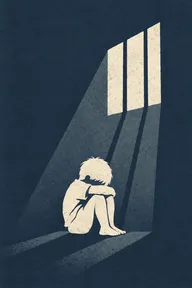
When the officer finally tells him, "David Pelzer, you're free," the line lands because David does not understand freedom yet. He thinks he is being taken to jail. The practical lesson is hard and clear: abused children often protect the abuser, minimize the harm, and fear rescue as much as punishment. Recognition has to come from adults who can see patterns, not just isolated incidents.
“David Pelzer, you're free.”