Sift Get the app
Allen Carr's Easyway to Quit Emotional Eating summary
Introduction
Emotional eating is not a hunger problem
Allen Carr's central move is blunt: comfort eating feels like relief, but the relief is fake. The food is not solving stress, loneliness, boredom, or shame. It is feeding an addiction loop that creates more of the emptiness you are trying to escape.
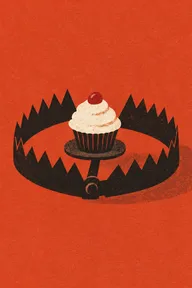
That matters because most people attack emotional eating with dieting and willpower, which only deepens the sense of deprivation. Carr's promise is different. If you can see junk food and comfort eating clearly, as a trap rather than a treat, the urge weakens and freedom stops feeling like sacrifice.
The key
The problem is addiction disguised as comfort
Carr starts by reframing emotional eating as an addictive pattern, not a simple failure of discipline. The typical target is not broccoli or apples. It is what he calls junk food: sweets, cakes, biscuits, chocolate, crisps, bread, fast food, refined sugar, and starchy carbs that give a quick hit and then leave you flat. The pattern is familiar: you eat to soothe stress, sadness, boredom, or loneliness, feel temporary relief, then feel guilt, heaviness, and self-disgust, which sets up the next binge.
His model is simple. The first hit creates the next craving. What feels like pleasure is often just relief from the discomfort created by the previous dose. He uses the language of withdrawal to make this concrete: the addict takes the next fix to feel normal again, not to become truly happy. That is why someone can keep eating even when full and say they are getting no pleasure from it.
The practical shift is to stop treating the urge as proof that the food helps. In Carr's frame, the urge is evidence of the trap. Once that clicks, the question changes from how do I resist my comfort food to why would I keep calling poison comfort.
Takeaway
What feels like comfort is often just brief relief from a discomfort the junk food created in the first place.