Sift Get the app
Introduction
What oil wealth does to democracy
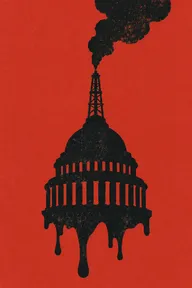
Oklahoma’s earthquake swarms and Russia’s election interference look like separate crises. Rachel Maddow follows the money and machinery connecting them, asking how an industry that powers modern life can leave governments unable to protect their citizens.
Introduction and chapter 1
Cheap energy can carry expensive political terms
Oil’s usefulness makes its political power easier to excuse. In 2003, Vladimir Putin visited a newly branded Lukoil gas station in Manhattan while American officials welcomed Russia as an alternative to Middle Eastern suppliers. Behind the photo opportunity, Putin worried that Western investment could cost him control of Russia’s essential industry.
The American template began with John D. Rockefeller. Standard Oil cut refining costs by more than 85 percent and consumer prices by 70 percent while swallowing competitors and buying political protection. Better products and predatory conduct flourished together.
The Supreme Court ordered Standard’s breakup in 1911, but Rockefeller grew richer through its successors. Maddow’s starting distinction matters: providing affordable fuel does not establish that a producer’s power serves democratic government.