Sift Get the app

Introduction
A child everyone thought was unreachable was listening the whole time
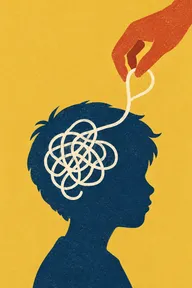
Dibs enters this story as a five-year-old who will not talk, will not play with other children, and is treated by adults as if he may be mentally defective or psychotic. What unfolds is not a miracle cure, but a painstaking record of what happens when one adult stops forcing, diagnosing, and managing him, and instead gives him room to become a person.
That is why this book still lands. It is a case study in childhood, shame, family damage, and behavior change. It asks a hard question that goes beyond therapy: what if the most troubled person in the room is often the one who has been least understood?
Set up
Dibs looks absent, but he is taking everything in
At school, Dibs appears almost unreachable. He crouches in corners, hides under tables, refuses to speak, resists going home, and sometimes bites or scratches when adults push him. Teachers, a school psychologist, and a pediatrician cannot settle on a category. Is he mentally retarded, psychotic, brain-damaged, autistic? His behavior is too uneven for easy labels.
The clue is inconsistency. Dibs sometimes acts deeply withdrawn, but then quietly does something that suggests unusual intelligence. He pores over books for long stretches, seems to follow stories and lessons from the edge of the room, and reacts strongly when adults intrude. The school keeps him longer than it otherwise would because the staff senses there is more there than they can explain.
That early ambiguity matters. Axline refuses the comfort of a diagnosis that explains everything too quickly. Before any treatment begins, the book establishes a habit of attention: look at the actual child, not just the category adults want to assign to him.
Takeaway
Erratic behavior is not the same thing as lack of ability. Dibs' contradictions are the first signal that adults are misreading him.