Sift Get the app

Introduction
Your phone is not a tool unless you are the one in control
Most people did not choose a life of compulsive checking, fractured attention, and low-grade digital exhaustion. They added a few useful tools, then woke up inside an ecosystem engineered to keep them tapping, swiping, refreshing, and reacting.
Cal Newport’s answer is not to reject technology. It is to use it with far more intention than the tech industry wants from you. His idea is simple and severe: decide what really matters, keep only the digital tools that directly support it, and ignore the rest.
Foundations
The real problem is loss of autonomy
Facebook and the iPhone did not arrive promising to colonize daily life. Early Facebook felt like a novelty for looking up classmates. The first iPhone was pitched as an iPod that made calls. Yet within a decade, social media and smartphones had moved from the edge of life to the center of it.
Newport’s point is that people are not mainly upset because these tools are useless. They are upset because the relationship feels out of control. Readers told him they were exhausted by constant checking, by mood manipulation, by the inability to stay present with the person in front of them. The issue is not utility. It is autonomy.
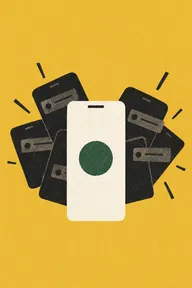
That loss of autonomy is not accidental. Newport leans on Tristan Harris, Sean Parker, Leah Pearlman, and Adam Alter to show how attention economy companies exploit intermittent rewards and social approval. Likes, red notification badges, endless feeds, and variable feedback loops are built to trigger compulsive use. The apps are not neutral. They are designed to keep you coming back.
Takeaway
When a tool repeatedly overrides your intentions, the problem is not convenience. It is control.