Sift Get the app
Introduction
Your skills can expire. Can your imagination?
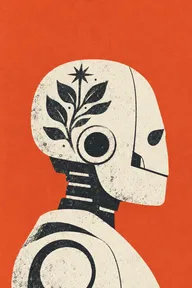
Design a tattoo for a robot or a warning for people living 10,000 years from now. Rod Judkins uses strange assignments to expose the assumptions that keep ordinary thinking predictable.
Introduction
Train your imagination by making something
Creative thinking develops through practice. Rod Judkins built his Central Saint Martins course around design assignments that force people to produce ideas rather than absorb information. Drawing skill is secondary: a few scribbled lines can communicate a strong concept.
His guiding figure is the “Intelligent Optimist,” someone who combines a belief in better futures with intellectual rigor. The method involves generating many alternatives, then selecting the most effective. An absurd proposal can be useful if it leads somewhere unexpected; searching immediately for the correct answer can close that route.
Takeaway
Generate alternatives before deciding which idea deserves development.
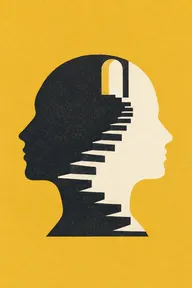
At the Royal Free Hospital, Judkins asked fifty applied medical students to imagine designing a virus. Taking its perspective required them to consider infection and survival against immune defenses. He presents this as a way to deepen understanding through construction. Before beginning the book’s exercises, he asks readers to draw the contents of their minds, establishing something to revisit afterward.