Sift Get the app
Introduction
John Adams mattered more than the myth remembers
Washington became the symbol. Jefferson became the poet. Adams became the difficult man in the middle. McCullough makes the case that the United States might not have won independence, secured foreign backing, or survived its earliest crises without his stubborn force.
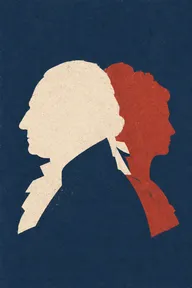
This is not a saint's life. Adams is vain, combative, suspicious, and often miserable. But he is also brave, intellectually serious, fiercely honest, and astonishingly durable. The book's real revelation is that his public greatness cannot be separated from Abigail Adams, whose judgment, courage, and letters make this a two-person political biography as much as one man's story.
Origins
A provincial lawyer becomes a revolutionary
Adams begins not as a natural politician but as a Braintree farmer's son with a Harvard education, a fierce reading habit, and a consuming desire for distinction. McCullough lingers over the contradictions early: Adams loves solitude and books, but also craves public esteem; he admires reserve in others, but talks too much; he wants usefulness more than wealth, yet feels every slight intensely.
The apprenticeship matters. Years as a Worcester schoolmaster and law student teach him discipline. The diary he keeps as a young man is full of self-scrutiny, ambition, and dread that he will waste his life. That inward pressure helps explain the public figure he becomes later. He is not gliding into history. He is pushing himself there.
His marriage to Abigail Smith is the decisive event of his private life. McCullough treats their bond as one of the strongest partnerships in American history. She is not merely supportive. She is intellectually equal, morally demanding, politically alert, and emotionally indispensable. From the beginning, Adams's courage and instability are steadied by Abigail's judgment.
“You cannot be, I know, nor do I wish to see you, an inactive spectator.”