Sift Get the app
Introduction
The family stories you want to hide are often the ones that explain you best
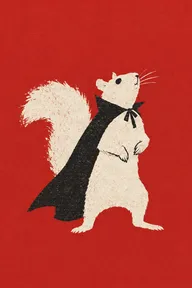
Jenny Lawson turns a childhood full of dead squirrels, feral taxidermy energy, anxiety, infertility, and marital absurdity into a surprisingly useful idea: the moments you want to pretend never happened are often the moments that shaped you most.
What makes this memoir stick is not just that it is funny. It is that Lawson uses humor to survive shame, grief, illness, and weirdness without sanding off any of the mess. The result is a book about family lore, mental health, and the strange relief of finally admitting who you are.
Introduction and childhood
Her origin story is chaos, and that is the point
Lawson opens by telling you exactly what kind of book this is: mostly true, aggressively honest, and uninterested in sounding respectable. She frames her life as one long series of incidents that would sound invented if they were not so specific. A childhood memory about being dragged from a car after the door flew open lands as both slapstick and warning. That tension becomes the book's default mode.
Her Texas childhood is less Little House on the Prairie than "David Copperfield meets Guns & Ammo Magazine." Her father is a hunter, taxidermist, armadillo racer, and collector of animals that should not be in a home. Deer are cleaned on the dining room table. Baby raccoons wear tiny Jams. Filing cabinets become chicken coops. A family pool is improvised from fiberglass bathtubs. The absurdity matters because it teaches Lawson early that her baseline for normal is not anyone else's.
“My childhood: David Copperfield meets Guns & Ammo Magazine”
The practical implication is bigger than the joke. Family stories do not just entertain. They set your calibration. Lawson grows up in a world so bizarre that later embarrassment makes sense, but so does her resilience. If your own origin stories feel chaotic, they may explain more of your adult wiring than you think.