Sift Get the app
Introduction
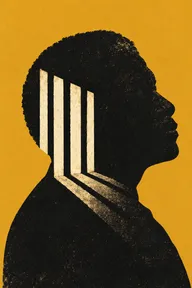
Freedom made Mandela, but prison revealed him
This is not a victory lap from a saint. It is a record of how a rural Thembu boy became a lawyer, an underground organizer, a prisoner, and finally a negotiator who could help end apartheid without losing the moral core of the struggle.
What makes the book endure is its balance. Mandela writes about courage and sacrifice, but also about doubt, stubbornness, failed marriage, factional fights, strategic mistakes, and the slow discipline required to turn anger into leadership. The result is both a national history and a manual for surviving power, humiliation, and long defeats.
Country childhood
Mandela’s politics began long before he knew the word politics
Mandela’s earliest education was not ideological but social. In Qunu and later at the Great Place in Mqhekezweni, he absorbed a world organized by custom, kinship, cattle, ritual, and oral memory. He learned Xhosa history from elders, and he watched Regent Jongintaba preside over meetings where everyone could speak and a leader listened before deciding. That model of leadership stayed with him for life.
“A leader, he said, is like a shepherd. He stays behind the flock, letting the most nimble go out ahead.”
The key lesson was not romantic nostalgia for tribal life. Mandela knew later that traditional society had hierarchies and excluded women from full citizenship. But he also saw in those councils a real form of participatory politics. The regent’s maxim, that a leader is like a shepherd who stays behind the flock while letting the nimble go ahead, became one of Mandela’s deepest habits.
A second lesson came from contradiction. Mission schools gave him literacy and ambition, but also imposed English names, British assumptions, and a ranking of civilization that treated African culture as inferior. His first schoolteacher renamed him Nelson. From the beginning, identity in South Africa was political terrain.