Sift Get the app
Introduction
The wrong diagnosis can turn a child into a misfit for decades
John Elder Robison grew up being told he was rude, cold, dangerous, and defective. He was punished for not making eye contact, mocked for odd expressions, and misunderstood by nearly everyone around him. Only at forty did he learn the name for what had shaped his life: Asperger's syndrome.
This memoir matters because it shows autism from the inside, before the culture had language for it. Robison turns painful childhood scenes, family chaos, and a wildly unconventional career into something larger than a life story: a practical way to understand how misread behavior becomes shame, and how explanation can become relief.
Prologue and childhood
What looked like defiance was really overload
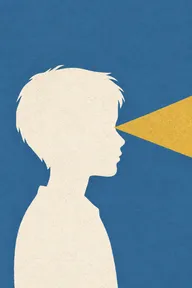
Robison opens with the demand he heard all through childhood: look me in the eye. Teachers, relatives, and his alcoholic father treated his averted gaze as proof that he was hiding something. He later understood that visual input made talking harder for him. Looking away was not deceit. It was how he managed conversation.
“Asperger's is not a disease. It's a way of being.”
That misunderstanding shaped everything. Adults called him a sociopath, a psycho, even a future killer because he did not react the way they expected. He believed them enough to wonder if he might one day become dangerous. The practical lesson is blunt: behavior without context gets moralized fast, and children pay the price.
Robison is equally clear that Asperger's is not a disease to cure. It is a way of being that can bring unusual gifts, especially intense focus and unusual insight into systems. What children like him need is knowledge, adaptation, and adults who can distinguish difference from badness.