Sift Get the app
Introduction
Music can survive what memory cannot
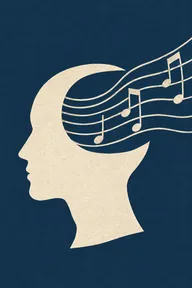
A musician forgets almost everything within seconds, yet still conducts a choir. Other people hear orchestras that never stop. Oliver Sacks follows these experiences into the brain, where music can sustain a person or become a torment.
Sudden musicophilia and seizures
A changed brain can change what you love
Weeks after surviving a lightning strike, orthopedic surgeon Tony Cicoria developed an overwhelming hunger for piano music. Previously indifferent to classical music, he began teaching himself Chopin and struggling to write down compositions that flooded his mind. His eventual playing reflected years of effort, rather than instant virtuosity.
Sacks considers brain reorganization after injury, while acknowledging that Cicoria’s transformation remains unexplained. Other cases reveal different relationships between music and neurological disturbance: Jon S. heard apparently familiar violin music before losing consciousness; Silvia N.’s beloved Neapolitan songs triggered seizures.
These distinctions matter. Music can be part of a seizure or its trigger, and a new musical passion can appear without either. The vividness or spiritual force of an experience alone cannot establish its cause.