Sift Get the app
Introduction
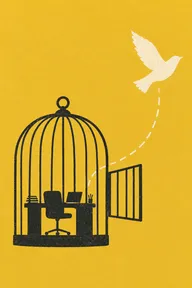
Your paycheck may be protecting your dream
Quitting feels like the first brave step toward work you love. Jon Acuff stayed employed while his writing took off, and discovered how leaving too early could have destroyed the career he wanted.
1. Don’t quit your day job
Keep the income that lets you say no
A steady paycheck gives a developing dream room to refuse bad opportunities. Jon Acuff learned this after holding eight jobs in eight years: leaving an unpleasant boss can replace one demanding authority with a household full of them. The mortgage still expects payment, and financial pressure can turn a supportive spouse into an anxious monitor of every expense.
When a publisher offered Acuff his first book deal, the proposed terms eventually amounted to giving away his manuscript, then buying discounted copies back to sell himself. His day job allowed him to reject it. Without that income, the chance to become a published author might have looked too necessary to refuse.
The same protection helped him take creative risks. He could write for CNN despite worrying that some Christian readers might object, because losing speaking engagements would not endanger his family’s basic needs. Keeping a job protects your freedom to choose work that fits your purpose. Acuff’s opening advice is temporary, but deliberate: develop the dream before making it responsible for every bill.
“When you keep your day job, all opportunities become surplus propositions rather than deficit remedies.”