Sift Get the app
Introduction
The wrong response can reward workplace bullying
Explaining your hurt can help a colleague recognize bias. With a bully, it can confirm that their tactic worked. Kim Scott offers a way to distinguish these situations before deciding what to say.
1. A framework for success
Match your response to the behavior
Respect for someone’s humanity is owed, even when admiration for their work has to be earned. Kim Scott defines Radical Respect through two commitments: collaboration rather than coercion, and individuality rather than conformity. Her colleague Michelle exposed a gap in Scott’s earlier feedback advice: even gentle criticism got Michelle labeled an “angry Black woman.” Feedback techniques alone could not solve that problem.
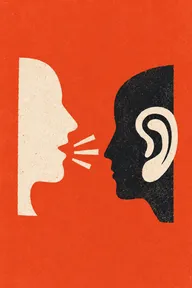
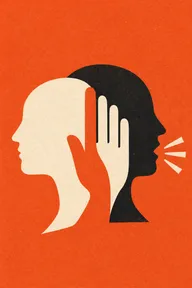
Scott’s “toxonomy” separates bias, unconscious assumptions, from prejudice, consciously held stereotypes, and bullying, behavior that harms or dominates. Each calls for a different response. An “I” statement offers perspective on bias: “I don’t think you meant that the way it sounded to me.” An “it” statement sets a boundary around prejudice. A “you” statement redirects attention toward bullying: “You need to stop now.”
These are working diagnoses, not certain readings of someone’s mind. An apology may confirm bias; doubling down may reveal prejudice or bullying. Power raises the stakes, creating conditions for discrimination, harassment, and physical violations.