Sift Get the app
Same Kind of Different as Me summary
Introduction
The person you fear may become the one who saves you
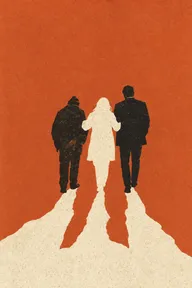
This memoir starts with three lives that seem impossible to connect: Denver Moore, a formerly enslaved sharecropper turned homeless drifter; Ron Hall, a wealthy art dealer; and Deborah Hall, the woman who refuses to leave either man where she found him.
What makes the book stick is not sentiment. It is the way friendship crosses class, race, shame, and grief, then gets tested by cancer and death. Under the story is a harder question: who are you willing to really see, and what changes when you stop treating people as categories and start treating them as souls?
Origins
Denver’s life begins in a version of slavery most people think ended long before he was born
Denver Moore grows up in Red River Parish, Louisiana, in conditions that are not metaphorically close to slavery but functionally similar. He works cotton fields from childhood, never attends school, never gets a paycheck, and lives in housing he does not own while debts to the landowner stay permanently out of reach. The system works because the landowner controls the land, the store, the books, and literacy itself.
The book makes this real through scenes rather than theory. Denver describes cotton sacks, twenty pound weigh-ins that never seem to change, overalls bought on credit, and a life so closed off that even the existence of schools and other possibilities barely reaches him. His memories of racial violence are just as formative. As a teenager, after helping a white woman change a tire, he is roped by white boys on horseback and dragged down a dirt road. He survives, but the lesson is clear: keep your head down and never trust the system to protect you.
That backstory matters because it changes how you read everything that follows. Denver does not arrive in homelessness from one bad break. He arrives there after a lifetime of exploitation, trauma, and exclusion so deep that sleeping on the streets feels like a step up.
Takeaway
When people look broken in the present, this book asks you to look for the structures and injuries that shaped them long before you met them.