Sift Get the app
Introduction
You do not own your life until you stop fearing loss
Seneca's letters feel uncannily modern because they attack the same traps that still run most lives: wasting time, chasing status, being ruled by moods, fearing death, and mistaking comfort for freedom.
What makes these letters endure is their tone. Seneca is not building a rigid system so much as training a mind. He keeps returning to a few hard claims: time is your only real possession, virtue is the only secure good, and almost everything else people panic over is opinion dressed up as necessity.
On saving time
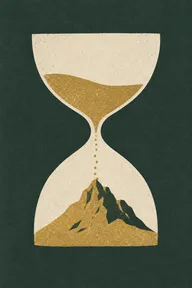
Time is the only possession that cannot be replaced
Seneca opens with the bluntest possible reminder: people guard money, property, and reputation, but let hours slip away as if they were free. His key move is to redefine death. We are not merely moving toward death one day in the future. We are dying daily, because whatever time lies behind us is already gone.
“Nothing, Lucilius, is ours, except time.”
That is why procrastination is not just inefficiency. It is surrender. Seneca tells Lucilius to hold every hour in his grasp and to lay hold of today's task, because life speeds by while we postpone. The person who treats time as cheap is already impoverished in the deepest way.
The practical implication is severe but clarifying: stop acting as if your life begins later. Preserve time first, not last. If you wait until the dregs of the cask remain, there will be little left and what remains will be poor in quality.
Takeaway
Seneca's first discipline is not productivity. It is moral accounting. If your hours are being stolen by drift, delay, or distraction, your life is being stolen too.