Sift Get the app
Introduction
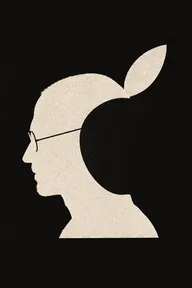
Steve Jobs won by forcing technology to feel human
Steve Jobs did not just build products. He fused design, software, hardware, story, and taste into experiences people could feel immediately. That instinct helped create the Mac, Pixar, the iPod, the iPhone, the iPad, and Apple retail itself.
Walter Isaacson’s biography matters because it does not flatten Jobs into either hero or monster. It shows the whole system: the abandonment wound, the reality distortion field, the cruelty, the obsession, the aesthetic discipline, and the ability to make impossible things real. The result is not a leadership manual. It is a case study in how creation, control, and character can build a company and scorch everyone around it.
Origins
Jobs built his identity around being both abandoned and chosen
Steve Jobs’s first psychological imprint was adoption. His parents, Paul and Clara Jobs, told him early that he had been adopted, but they framed it with a line he never forgot: “We specifically picked you out.” Isaacson shows how those two ideas, abandoned and chosen, hardened into the core of his personality.
““We specifically picked you out.””
That split helps explain the contradictions. Jobs could feel deeply special and deeply rejected at the same time. Friends and former colleagues thought his need for control came partly from that early wound. He denied the abandonment story as pop psychology and insisted that Paul and Clara were his real parents “1,000%,” yet the emotional pattern kept surfacing in his relationships, including with his daughter Lisa.
Just as important was where he grew up. Silicon Valley was still orchards and defense contractors, but it was filling with engineers from Hewlett-Packard, Intel, Lockheed, and Fairchild. Jobs absorbed both his father’s craftsmanship and the Valley’s belief that electronics could change the world. That combination, artisanship plus ambition, never left him.