Sift Get the app
Introduction
This is not a murder story. It is a story about everyone around the murder.
Norman Mailer's The Executioner's Song turns the Gary Gilmore case into something far stranger and larger than true crime. Yes, it begins with a parolee who kills two men in Utah in 1976. But the real subject is what happens when violence, punishment, love, family, religion, law, and television all converge on one life.
The book feels unnervingly current because it shows how a private breakdown becomes public theater. Gilmore wants to control his own death. The state wants to control the process. Lawyers, journalists, activists, relatives, and lovers all claim some moral stake. Mailer's genius is that he never flattens any of them into symbols. He lets everyone talk, and the whole country comes into view.
Western Voices
Freedom arrives before a person is ready for it
Gary Gilmore gets out of Marion prison after years inside and lands in Provo with family who barely know the man he has become. Brenda Nicol sponsors him for parole, Vern Damico gives him a room and a job in the shoe shop, and everyone hopes the same basic story will come true: prison is over, work will steady him, ordinary life will begin.
But Mailer shows how impossible that transition is. Gary does not know how to shop, how to date, how to manage money, how to sit in a diner at 3 A.M. without being overwhelmed by the lights and noise. He can run miles, charm children, draw beautifully, and talk with prison-born intensity, but he cannot easily absorb the ordinary freedoms that parole is supposed to restore.
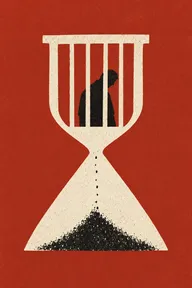
That is one of the book's deepest ideas. A person can be released by the system long before he is released from the habits the system built into him. Utah gives Gary a job, a bed, and a second chance. It cannot give him the missing middle years of adulthood that prison consumed.
Takeaway
Mailer treats parole not as a happy ending, but as a dangerous collision between prison habits and civilian life.