Sift Get the app
Introduction
Why prosperity stopped holding society together
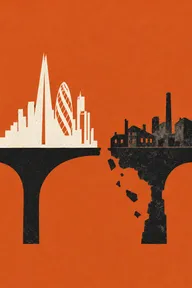
London thrives while former industrial cities struggle. Educated families accumulate advantages while others lose secure work. Paul Collier asks what capitalism has broken, and why repairing it requires obligations that markets and governments have allowed to fade.
1. The new anxieties
Economic decline also takes away dignity
Capitalism’s failures reach beyond unequal incomes. Losing skilled work can also mean losing a respected role, family stability, and confidence that your children will do better. Collier identifies widening geographic and educational divides, alongside the gulf between prosperous countries and societies trapped in poverty.
His own life supplies the book’s emotional starting point. Sheffield, his hometown, lost its steel industry while his academic career took him to Oxford. A cousin born on the same day followed a sharply different path after her father’s early death. Their children inherited much of that divergence.
Collier wants to repair capitalism because its firms and competitive markets remain essential to mass prosperity. His model is the practical solidarity of nineteenth-century co-operatives, which pooled risks and linked benefits to contributions. He calls his alternative to both laissez-faire and overbearing state control social maternalism: public action that supports families and productive work while restraining powerful interests. Its test is whether people regain purpose alongside purchasing power.