Sift Get the app
Introduction
Freud says civilization begins with a crime
This is Freud at his most ambitious: not treating one patient, but trying to explain incest taboos, religion, conscience, sacrifice, and even tragedy with the same psychological machinery he used for dreams and neurosis.
The result is strange, audacious, and still hard to ignore. Even when the anthropology is dated, the central move remains potent: what looks sacred and moral may also be a disguised record of conflict, repression, guilt, and desire.
The horror of incest
Totemism is a social system built around forbidden desire
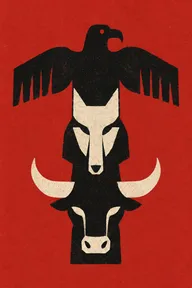
Freud starts with Australian totemism because it shows something startling. These societies are often described by Europeans as materially simple, yet their rules against incest are elaborate and severe. A tribe is divided into totem clans, often named after animals, plants, or natural forces. Members of the same totem are forbidden sexual relations and marriage, as if all who share the totem were blood relatives.
What matters for Freud is not only the rule, but its emotional force. Violations can be punished by death. The prohibition reaches beyond actual siblings and parents to an entire clan, which suggests that the anxiety is not merely practical. It is a social machine for managing temptation.
He pushes further with examples of avoidance customs, especially between close relatives and in-laws. In Melanesia, brothers and sisters avoid each other after puberty. In Fiji and among the Battas of Sumatra, similar rules govern distance, speech, and even footprints. The strongest example for Freud is the mother-in-law taboo, which he treats as evidence that incestuous wishes persist in disguised and displaced form.
Takeaway
Freud's first big move is simple and provocative: extreme sexual prohibitions imply the presence of strong prohibited wishes, not their absence.