Sift Get the app

Introduction
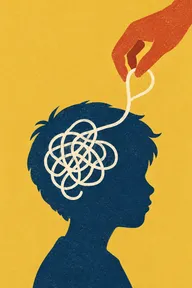
An eating disorder is not vanity. It is a way of disappearing.
Marya Hornbacher's memoir is brutal because it refuses the easy story. Anorexia and bulimia are not treated here as quirky pathologies, teenage phases, or neat morality tales. They are addictions, coping systems, political acts, family dramas, and long slow forms of self-erasure.
What makes Wasted endure is that it shows the inside of the illness without cleaning it up. Hornbacher can describe a binge, a hospital weigh-in, a psychiatric ward, or a casual cultural comment about women's bodies with the same unnerving clarity. The result is not just a memoir of sickness, but a map of how a culture teaches women to mistrust hunger, flesh, and need.
Introduction
Thinness becomes a theory of worth
Hornbacher starts from a premise that runs through the whole memoir: an eating disorder is full of contradictions. It promises power and produces helplessness. It looks like discipline and becomes addiction. It claims to free a person from the body while destroying the very mind that thinks it is in control.
“One's worth is exponentially increased with one's incremental disappearance.”
She rejects the tidy explanation that eating disorders are simply about control. For her, they are also about family systems, perfectionism, addiction, sexuality, ambition, and a culture that treats thinness as moral achievement. She is explicit that the problem is not private pathology alone. The culture helps build the trap.
That framing matters because it changes how the memoir reads. Hornbacher is not offering a miracle cure or a freak-show confession. She is trying to dismantle two myths at once: that eating disorders are trivial vanity, and that they belong only to a tiny class of hopelessly insane people. They are common, deadly, and shaped by ordinary social life.