Sift Get the app
Introduction
American history looks different when you stop reading it from the top
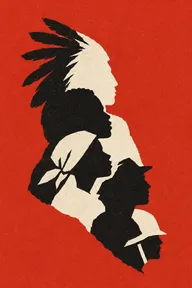
Howard Zinn retells U.S. history from the side that standard textbooks usually push to the margins: Indigenous people facing conquest, enslaved people resisting bondage, workers striking, women organizing, soldiers deserting, and ordinary people getting used by elites in the name of progress, democracy, and national interest.
The result is not a neutral national family album. It is a history of conflict over land, labor, race, wealth, and power. Zinn's central challenge still lands: if you only learn history through presidents, generals, and lawmakers, you learn to wait for saviors. If you read history through resistance from below, you start to see where real change has actually come from.
Columbus and conquest
The country begins with invasion, not discovery
Zinn opens with Columbus not as heroic navigator but as the first agent of conquest. He quotes Columbus's own journal on the Arawaks of the Bahamas: they were generous, unarmed, and, in his words, could be made to serve. The search for gold quickly turned into kidnapping, slavery, mutilation, and mass death across Hispaniola.
“With fifty men we could subjugate them all and make them do whatever we want.”
That pattern did not end with Columbus. Zinn traces it through Cortes in Mexico, Pizarro in Peru, and English settlement in Virginia and New England. Again and again, land hunger and the drive for wealth were wrapped in the language of civilization and religion, while Native societies were attacked, deceived, or destroyed.
Zinn's deeper point is about how history is framed. Textbooks often mention atrocities briefly, then bury them beneath tales of progress. He argues that this is not an innocent choice of emphasis. It teaches readers to treat conquest and mass killing as regrettable but acceptable costs of national advancement.
Takeaway
The opening of American history is a story of power taking land and then calling it progress.