Sift Get the app
Introduction
One woman wears the whole town’s shame
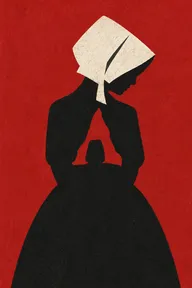
Hester Prynne must display her adultery on her clothing while her partner remains publicly revered. Hawthorne follows the uneven costs of that secrecy, and the revenge that grows under the appearance of care.
The Custom-House
The storyteller inherits a history of punishment
Hawthorne introduces Hester’s story through a narrator whose own family history includes Puritan persecution. One ancestor punished Quakers; another participated in the witch trials. The narrator accepts shame for their cruelty, placing the coming romance under the shadow of inherited moral authority.
Working at Salem’s Custom-House, he supposedly discovers an embroidered scarlet A and papers about Hester Prynne left by Surveyor Pue. He presents these as the story’s foundation while admitting that he freely imagines motives and emotions. This is a literary frame, rather than independent historical proof.
His bureaucratic employment has dulled his imagination; political dismissal releases him to write. The introduction prepares us to read the novel’s symbols between ordinary reality and fantasy, while questioning the institutions that decide whose life deserves condemnation.