Sift Get the app
Introduction
A country vet goes to war and discovers what home really means
This is not a book about grand victories. It is a book about running on too little sleep, stitching up teats and sows, being mocked by RAF routines, and missing your wife so badly that a cow coming home feels like a message meant for you.
James Herriot turns everyday veterinary work into something deeper: a study of loyalty, work, class, kindness, and the strange dignity of people and animals who keep going. The wartime setting sharpens everything. Home becomes more precious, ordinary labor becomes heroic, and every cow byre, pub, and farm lane starts to feel like a small civilization worth saving.
War and homesickness
Leaving for the RAF makes Herriot see home with painful clarity
The book opens with Herriot in RAF training, exhausted by endless runs, drills, inoculations, and bureaucratic absurdities. The military is all motion and impersonality. In contrast, his mind keeps returning to Darrowby, his new wife Helen, and the intimate world of farms, cows, and clients where he used to matter in a human way.
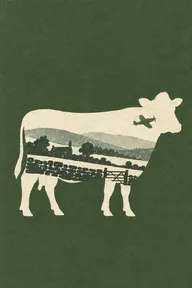
That homesickness becomes vivid in the story of old Blossom, a worn-out cow belonging to Mr. Dakin. After being sent away for market, Blossom simply finds her way home and walks back into her old stall. Dakin decides on the spot that she will stay, not because it makes economic sense, but because loyalty and long service count for something. Herriot realizes why he dreamed of her while in uniform: like Blossom, he wants to go home too.
The emotional force here is simple. War strips away the illusion that ordinary life is ordinary. A wife in a bedsitter, a familiar valley, even a patient old cow become the center of gravity. Herriot never says this pompously. He just lets the ache speak for itself.
Takeaway
Distance turns routine affection into revelation. What feels small at home becomes enormous when it is taken away.