Sift Get the app
Introduction
Most proverbs survive because they still describe us
Proverbs sound dusty until you notice how often they still run your day: hedging your bets, distrusting appearances, regretting delay, rationalizing bad behavior, or calling caution wisdom. Caroline Taggart treats old sayings not as museum pieces but as compressed opinions about human nature that keep resurfacing because people keep behaving the same way.
What makes this book fun is that it never treats proverbs as sacred. Taggart checks where they came from, notices when they contradict each other, laughs at their absurd wording, and still asks the useful question: when is this actually true? The result is less a dictionary than a witty field guide to judgment.
What proverbs are for
A proverb is advice, not law
Taggart starts by clearing up a confusion: a proverb is not just an old quote. It becomes proverbial when it says something that feels generally true or useful, in a short form people remember and repeat. That is why sayings from Aesop, Livy, Shakespeare, the Bible, and later songs all end up in the same cultural bucket.
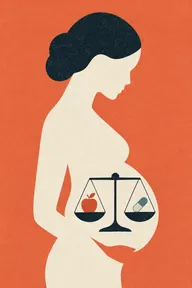
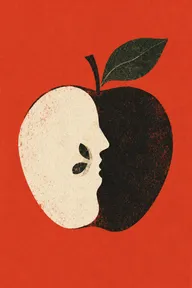
That does not make them reliable rules. Some are literal, like "An apple a day keeps the doctor away," but most are metaphorical shortcuts. And many clash with each other. "Too many cooks spoil the broth" fights with "Many hands make light work." "Look before you leap" fights with "He who hesitates is lost." Taggart's answer is sensible: the people who coined these lines lived in different times, had different temperaments, and were talking about different situations.
“You can't live your life by proverbs.”
The practical implication is almost the whole philosophy of the book. Proverbs can sharpen judgment, but they cannot replace it. They offer angles on life, not final verdicts.