Sift Get the app
Introduction
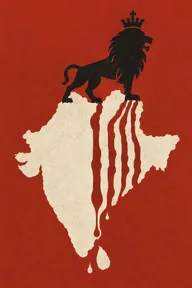
The British did not modernize India. They drained it.
Shashi Tharoor’s case is blunt: British rule in India was not a flawed civilizing mission with a few regrettable excesses. It was a system designed to extract wealth, break institutions, and leave Indians paying for their own subordination.
What makes the book worth reading is not just the moral anger. It is the specifics: the East India Company as a profit machine with an army, the destruction of textile and shipping industries, famines worsened by policy, laws built for racial control, and the communal divisions that outlived Empire. The point is not revenge. It is to recover historical memory.
Preface and frame
The argument is about memory, not revenge
This book grew out of Tharoor’s Oxford Union speech on reparations, but he quickly widens the frame. Cash reparations are almost beside the point. What he wants is historical clarity: an honest account of what British rule did to India, and a moral reckoning that goes beyond imperial nostalgia.
He also makes an important concession early. This is not a simple good-versus-evil tract. He engages the familiar defenses of Empire, from political unity to railways, English education, parliamentary forms, and the rule of law. The test is not whether Britain left behind anything usable. The test is whether those benefits were intended for Indians, whether they outweighed the damage, and whether India could have reached modernity without conquest.
That distinction matters. Tharoor is not using history to excuse India’s later failures, and he is not pretending post-Independence governments were blameless. His claim is narrower and stronger: colonialism should be judged in its own terms, by what it did while it ruled.
Takeaway
The book’s core question is simple: when you strip away imperial romance, what was British rule in India actually for?