Sift Get the app
Introduction
Britain’s Black history begins long before Windrush
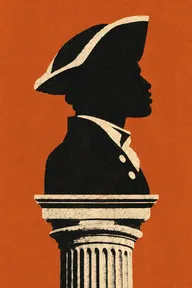
A Black sailor appears on Nelson’s Column, yet Black Britons often disappear from the national story. David Olusoga traces a much older relationship, exposing what familiar accounts of Britain leave outside the frame.
Remembering the past
The evidence is visible, even when the history disappears
Black people appear throughout Britain’s history, including in some of its most familiar national achievements. Africans accompanied Francis Drake on his circumnavigation, and Black sailors served in Nelson’s fleet at Trafalgar. The relief on Nelson’s Column even depicts a Black sailor near the dying admiral.
Other evidence sits farther from public view. Bunce Island, at the mouth of the Sierra Leone River, contains the ruins of a British slave-trading fortress from which tens of thousands of captives were transported. Its place in British history remained largely forgotten for generations before archaeological attention returned to it in the 1970s.
These contrasting sites reveal a problem with historical memory. Britain’s overseas plantations helped keep slavery geographically distant from much of its population, while national stories often left Black participants unnamed. Reading that history requires following connections beyond Britain’s shores and asking whose presence a familiar monument records without explaining.