Sift Get the app
Introduction
How smart institutions make spectacular mistakes
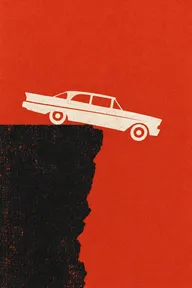
Ford spent a fortune launching a car buyers rejected. General Electric prohibited conduct its managers kept practicing. John Brooks follows twelve business dramas into the gap between what institutions believe and what people actually do.
The Fluctuation
Panic can outrun the information describing it
A market can reverse direction before its participants learn what happened. On May 28, 1962, the Dow fell 34.95 points. The next trading day brought a buying stampede, yet delayed tickers continued reporting the selling panic. People were making urgent decisions from a picture already out of date.
Brooks follows the reversal through AT&T, the market's bellwether. After its price recovered to $100, John J. Cranley bought 10,000 shares, clearing the remaining supply at that price. The purchase apparently sought a bargain rather than a theatrical rescue, but it helped open the way upward.
The feared institutional disaster never arrived: mutual funds had enough cash to meet redemptions and bought more shares than they sold during Monday's plunge. By Thursday's close, the Dow had recovered the week's losses. Brooks leaves the original cause unresolved. For investors, the warning concerns both stale information and the persuasive explanations experts construct afterward.