Sift Get the app
Introduction
Democracy can quietly trade freedom for comfort
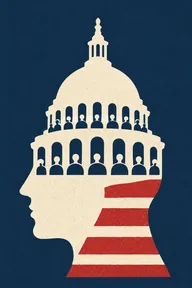
Tocqueville’s most unsettling idea is not that democracy fails because people are too weak, but that it can succeed so well at giving people equality, prosperity, and convenience that they stop guarding liberty. The danger is not chaos first. It is comfort first, then dependence.
That is why this nineteenth century travel study still feels current. Tocqueville looked at America to understand the future of democratic society itself: what equality does to ambition, family, religion, public opinion, work, and the human mind. He saw self-government as both a moral achievement and a fragile habit.
Beginnings
America’s origins shaped its democratic future
Tocqueville starts with a historian’s instinct: if you want to understand a society, go back to its beginnings. He treats the early English colonies, especially New England, as the seedbed of the future United States. Their settlers arrived with two forces that often clash elsewhere but were joined here: a strong religious seriousness and a strong commitment to self-government.
That combination mattered. These colonists were not social equals in every respect, but they carried habits of local decision-making, legal argument, and political participation from England. In New England, aristocracy never really took hold, influence depended more on intellect and character, and township life taught ordinary people to govern.
The practical implication is Tocqueville’s larger method: political systems are not explained by constitutions alone. They grow out of customs, local institutions, and inherited habits that seem small at first and decisive later.
Takeaway
For Tocqueville, the deepest causes of politics are often social habits formed long before anyone writes a constitution.