Sift Get the app

Introduction
Your best relationships need room to wander
A town stages a ballet. Neighbors tear up a sidewalk. A baseball team stops handing coaches answers. Daniel Coyle follows these unlikely paths to a question: what conditions allow people to come alive together?
1. The Singers
Shared stillness can change a group's direction
Meaningful connection often begins when people stop trying to control the moment. After losing his parents, Daniel Coyle spent five years investigating flourishing, which he defines as joyful, meaningful growth shared with others. Again and again, he found groups whose vitality grew out of deliberate pauses.
The thirty-three Chilean miners trapped in 2010 provide his opening example. Their supervisor, Luis Urzúa, renounced rank: “We are all equal now.” The miners developed shared meals, nightly apologies, and pairs of “guardian angels” who checked on one another. Research by Matías Sanfuentes connects their resilience to moments of collective sense-making rather than a single commanding leader.
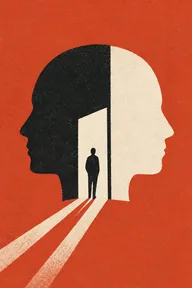
Coyle calls these openings “awakening cues”: moments of receptive stillness that illuminate connection. He uses Iain McGilchrist's distinction between controlling and connective attention to describe the shift. The hemispheric language is a heuristic, not a literal division into logical and creative brains. The practical move is to interrupt task fixation long enough to experience the people around you.