Sift Get the app
Introduction
A crowded life can destroy the self that is trying to live it
Anne Morrow Lindbergh goes to the shore and realizes the real crisis is not time management. It is fragmentation. Too many duties, too many roles, too many claims, and too little inner space to remember what a whole life feels like.
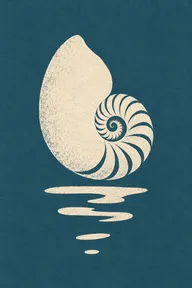
Gift from the Sea is her attempt to recover that wholeness through a series of shells, each one becoming a way to think about simplicity, solitude, marriage, motherhood, and the changing shape of love. It reads like a quiet book, but its diagnosis is severe: a life of constant multiplicity can break the soul unless you learn how to return to your center.
The Beach
Stop forcing insight and let your mind become open again
The beach is useless for the kind of work most people bring to it. Lindbergh arrives with books, sharpened pencils, overdue letters, and good intentions, then finds that the sea wipes them all out. The body takes over first. The rhythms of waves, wind, pines, and birds erase the city rhythm of schedules and tasks.
Only after that emptying does the mind begin to work again, but differently. Not by strain or dredging, but by drifting. The beach teaches a discipline that feels like its opposite: lie open, wait, and let what matters wash up on its own.
“Patience, patience, patience, is what the sea teaches. Patience and faith.”
That is the first lesson of the book. Insight cannot always be hunted directly. Anxiety, greed, and impatience block it. What the sea asks for instead is patience and faith, a willingness to become, in her words, as open and choiceless as a beach waiting for a gift.