Sift Get the app
Introduction
Celebrity death says more about the living than the dead
Chuck Klosterman drives 6,557 miles to the places where rock stars died, from the Chelsea Hotel to the Lynyrd Skynyrd crash site to Kurt Cobain's Seattle. What he keeps finding is not closure, but a weirder truth: we turn dead musicians into mirrors for our own ideas about love, status, authenticity, and meaning.
The road trip starts as a magazine assignment and becomes a messy personal autopsy. As Klosterman chases famous deaths across America, he keeps colliding with his own failed relationships, his own nostalgia, and his own suspicion that art matters because it helps us narrate what we cannot control.
The premise
Death is the last thing every celebrity can still sell
Klosterman begins with a morbid commercial insight: for musicians, death often functions like the ultimate career move. He wants to know why plane crashes, overdoses, murders, and suicides can instantly turn performers into prophets, and why the places where their lives stopped feel more charged than the places where they actually made the work.
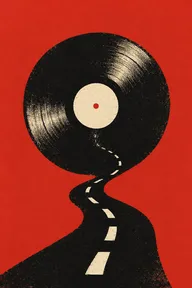
That question sends him on a cross-country drive in a rental Ford Taurus he nicknames the Tauntan. The route is built around endings: Nancy Spungen at the Chelsea Hotel, the Great White nightclub fire in Rhode Island, the Allman Brothers deaths in Macon, the Skynyrd crash in Mississippi, Buddy Holly's plane crash in Iowa, and Kurt Cobain's Seattle. His editor wants an epic music story. He starts realizing he is really writing about why Americans romanticize finality.
The practical implication is uncomfortable but useful: whenever a public death feels meaningful, ask what meaning you are adding to it. Klosterman keeps finding that the aura of tragedy is usually created by fans, critics, and survivors who need the death to explain something in their own lives.
Takeaway
A famous death becomes culturally powerful when the living use it to organize their own feelings about art and identity.