Sift Get the app
Introduction
She survived 91 days in a bathroom and chose forgiveness over revenge
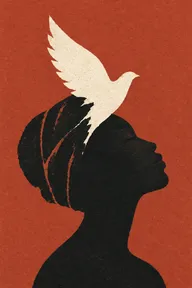
Left to Tell is not just a genocide memoir. It is a firsthand account of how hatred gets manufactured, how quickly ordinary neighbors can become killers, and how one woman kept her inner life from collapsing while almost everything outside her did.
Immaculee Ilibagiza's story matters because it pushes past survival into a harder question: what do you do with your soul after terror, grief, and rage have every right to own it? Her answer is faith, radical forgiveness, and the refusal to let evil define the rest of her life.
The eternal spring
A peaceful childhood can hide a political fault line
Immaculee grows up in Mataba, a beautiful village in western Rwanda overlooking Lake Kivu. Her parents, Leonard and Rose, are teachers, devout Catholics, and deeply respected in the community. Their home is loving, disciplined, and full of service. They help neighbors, pay school fees, build community projects, and teach their children that people should be judged by character, not tribe.
That makes the first shock especially powerful. As a child, Immaculee does not even know what Hutu or Tutsi means. She learns only when a teacher orders students to stand by ethnicity and throws her out of class because she cannot identify herself. Later she learns that Rwanda's ethnic divisions were hardened by colonial rule, identity cards, and a system that favored Hutus for school placements and jobs.
The key tension of the early chapters is this: her family lives by human dignity, while the country is organized around tribal suspicion. That gap matters because it explains why the genocide feels, at first, both impossible and suddenly close. Private decency exists inside a public system already shaped for exclusion.
Takeaway
The book begins by showing that genocide does not erupt from nowhere. It grows inside everyday categories, institutions, and habits of exclusion.