Sift Get the app
Manias, Panics, and Crashes summary
Robert Z. Aliber, Charles P. Kindleberger and Robert N. McCauley
Introduction
Markets look safest when danger is building
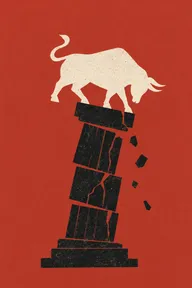
Rising prices make borrowers look stronger and lenders feel smarter. Across centuries of financial crises, that reassuring feedback keeps returning. The eighth edition follows how prosperity becomes fragile, and why stopping a panic creates another dilemma.
1. A hardy perennial
Financial crises repeat without following a clock
Financial crises often grow out of prosperity. An opportunity attracts investment, borrowing accelerates, and rising asset prices encourage further purchases. When confidence breaks, investors rush toward money while lenders withdraw credit. Falling wealth then cuts spending, turning financial losses into an economic contraction.
The modern record includes developing-country defaults in 1982 and the global housing-related crisis of 2008. Different assets and institutions produce recognizable patterns, though many expansions end without a panic. The policy dilemma also repeats: emergency support can stop destructive selling today while encouraging expectations of rescue tomorrow. Understanding a crisis requires examining both the boom's financing and the consequences of letting it collapse.