Sift Get the app
Introduction
Talent got him out, but love and hunger kept him moving
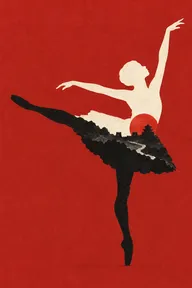
Li Cunxin's story is not just a dancer's rise. It is a brutal account of famine, political indoctrination, artistic obsession, defection, and the long emotional cost of leaving home to become someone else.
What makes this memoir stick is the double movement at its center: a boy escapes a starving village in Maoist China through ballet, then discovers that freedom creates its own grief. You get both the making of an elite artist and the private price of ambition.
Origins
A childhood built on hunger, work, and family pride
Li grows up in Qingdao in crushing poverty, one of seven sons in a peasant family living through the aftermath of Mao's Great Leap Forward and one of the worst famines in history. Food is the organizing fact of life. Dried yams keep the family alive. Meat is rare enough that a tiny piece of pork gets passed from bowl to bowl because nobody wants to take it from someone else.
Yet the emotional center of this childhood is not deprivation alone. It is the moral code of his parents, especially his mother and father, who insist on dignity, honesty, and family loyalty even when they have almost nothing. When Li steals a toy car as a child, his mother marches him back to return it. His father later tells the boys that pride is the one thing the Li family truly owns and must never lose.
That combination matters. The book never romanticizes poverty, but it shows how scarcity forged Li's discipline and his deep sensitivity to shame, gratitude, and obligation. Those forces drive almost every major decision he makes later, from overworking in the studio to agonizing over what his choices will do to his family back home.
Takeaway
Li's ambition grows out of famine and family duty, not personal glory alone.