 Sift Get the app
Introduction
A prison so corrupt it became a tourist attraction
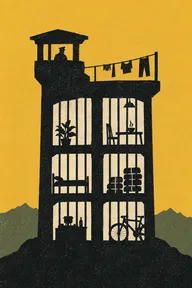
San Pedro prison in La Paz is not a prison in the normal sense. Inmates buy their own cells, live with wives and children, run restaurants and cocaine labs, and bribe guards so routinely that the line between punishment and business almost disappears.
Marching Powder is gripping because it is not a policy book or a crime thriller pretending to be true. It is a firsthand account of what happens when a British drug trafficker and an Australian backpacker decide to turn one of the world's strangest prisons into a story about survival, charisma, addiction, and institutional rot.
Arrival
The prison makes sense only after the shock wears off
Thomas McFadden arrives in Bolivia expecting one more profitable cocaine run and gets betrayed almost immediately. After being caught at El Alto Airport with cocaine hidden in custom suitcases, he is thrown into police cells, half starved, denied food, and learns the first rule of the system: almost everything can be negotiated, but only with money.
When he is finally transferred to San Pedro, the next shock is even stranger. He is told to pay an entrance fee to enter prison, then told he must buy his own cell. With no cash, he spends his first night in a filthy abandoned building and wakes to what looks less like a jail than a small slum filled with women, children, shops, and courtyard life.
That early reversal matters because the book never lets you settle into a simple story about cruelty. San Pedro is brutal, but it is also social. The state abandons basic functions, and prisoners build an economy to replace them. That makes the place feel human and monstrous at the same time.





