 Sift Get the app
Introduction
People are never less rational than when they are sure they are being sensible
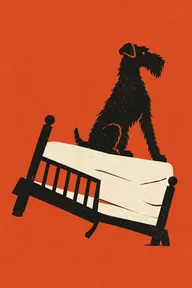
James Thurber turns family memory into a study of panic, eccentricity, and everyday absurdity. Beds collapse, dams do not break, ghosts trigger police raids, and an Airedale bites half the town. The comedy lands because every disaster begins with somebody acting perfectly reasonably in their own mind.
That is why this memoir still feels modern. Beneath the farce is a sharp picture of human nature: fear spreads faster than facts, households run on private mythologies, and memory can turn chaos into clean, exact comedy.
Preface to a Life
Comedy starts in melancholy, not cheerfulness
Thurber opens by making fun of the idea of memoir itself. He says he has accomplished nothing of excellence except hitting empty ginger ale bottles with small rocks, and he is not yet forty, which Benvenuto Cellini thought the minimum age for autobiography. The joke hides a real theory: the writer of short comic pieces is not breezy and carefree but jumpy, apprehensive, and a little haunted.
His description of the humorist is one of the best keys to the whole book. This kind of writer is not frightened by empires collapsing, but a strange sound in the pantry at three in the morning can strike terror into his stomach. He keeps hearing tiny threats, missing large ones, and turning minor embarrassments into full dramas.
“The little wheels of their invention are set in motion by the damp hand of melancholy.”
That is the operating system of My Life and Hard Times. Thurber is not promising a grand public history. He is promising his own personal time, circumscribed by household alarms, odd relatives, failing machinery, and private dread. The practical implication is simple: comic writing gets stronger when it notices the exact shape of lived nuisance instead of reaching for importance.





