Sift Get the app
Introduction
The neurologist who struggled to find himself
Oliver Sacks could recognize extraordinary lives in patients others overlooked, yet struggled with shame and dangerous appetites. His memoir traces how an uncertain outsider found work worth living for, and intimacy decades later.
On the Move
Freedom came faster than self-acceptance
Movement offered Oliver Sacks an escape from the powerlessness he remembered from wartime boarding school. Motorcycles gave him speed and a sense of bodily freedom, sometimes at frightening cost. His first bike's jammed throttle sent him circling Regent's Park until the petrol ran out.
His intellectual life was equally restless. At Oxford, he failed the entrance examination three times despite holding a scholarship, then won an anatomy prize after answering only one essay question. He spent most of the prize money on the Oxford English Dictionary. Associative thinking suited him better than factual tests.
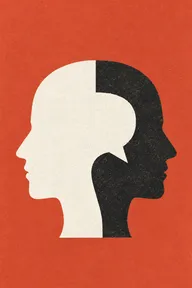
Sexual freedom proved harder to claim. When his mother learned he preferred men, she told him she wished he had never been born. Sacks places her reaction within Orthodox belief and an England that criminalized homosexual behavior, while acknowledging its lifelong damage. Intellectual promise and physical daring could coexist with profound shame.