Sift Get the app
Introduction
Plants did not just satisfy human desires. They trained them.
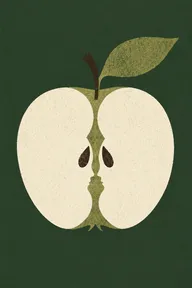
Michael Pollan flips the usual story of domestication. Instead of asking how people shaped apples, tulips, marijuana, and potatoes, he asks how those plants learned to use human cravings for sweetness, beauty, intoxication, and control to spread their genes.
That reversal turns familiar objects into active players. An apple becomes a machine for recruiting us into sweetness. A tulip reveals how beauty can become speculation. Marijuana opens a door into consciousness itself. And the potato shows how our hunger for control can end in monoculture, fragility, and genetic engineering.
Introduction
The garden looks different when plants are subjects too
Pollan starts with a deceptively simple question from his garden: what is the difference between a human planting potatoes and a bumblebee visiting an apple blossom? We usually cast ourselves as the subject and plants as the object. But flowers manipulate bees into carrying pollen, and potatoes manipulate people into propagating them. In both cases, the plant recruits an animal to do work it cannot do alone.
That is Pollan's master frame: coevolution. Bees shaped flowers, but flowers also shaped bees. Humans selected potatoes for heft and taste, but potatoes selected humans who would clear land, save tubers, and carry them across continents. Domestication is not just something we did to other species. It is also something certain species did to us.
“Think of this book as that bee's mirror.”
Once you accept that inversion, the four stories in the book lock into place. Apples succeeded by answering the human hunger for sweetness. Tulips exploited our idea of beauty. Cannabis found a way into our appetite for altered consciousness. Potatoes hitched themselves to our desire for order and mastery. The practical shift is subtle but real: instead of seeing nature as passive stuff, you begin to see reciprocal bargains everywhere.