Sift Get the app
Introduction
Nature does not care how experienced you are
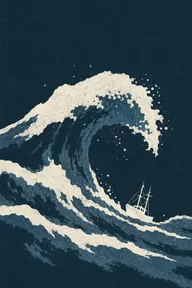
The Perfect Storm is not just a disaster story. It is a precise, haunting account of how skilled working men, advanced equipment, and hard-earned intuition can still be erased by a system larger than anything they can control.
Sebastian Junger turns the loss of the Andrea Gail into something wider: a portrait of Gloucester fishing culture, the economics that push crews back offshore, and the brutal physics of weather and waves. You finish the book with a sharper respect for the sea and a colder sense of what risk really means.
Foreword and opening
The book starts with what cannot be known
Junger makes an unusually strict promise at the start: he will not fictionalize the final hours of the Andrea Gail. He reconstructs the story from interviews, radio recollections, technical research, and the experiences of other fishermen who survived similar conditions. That matters because the power of the book comes from staying close to fact even when fact runs out.
The opening image sets the tone. In 1896, a Gloucester schooner finds a bottle on Georges Bank containing a note from the doomed Falcon: cable gone, rudder gone, leaking, men swept away, God have mercy on us. The note is both evidence and mystery. It tells you just enough to imagine the terror and not enough to resolve it.
“I've written as complete an account as possible of something that can never be fully known.”
That is the method of the whole book. Junger writes as complete an account as possible of something that can never be fully known. The practical implication is simple: uncertainty is not a flaw in serious reporting. Sometimes it is the most honest part of the story.