Sift Get the app
Introduction
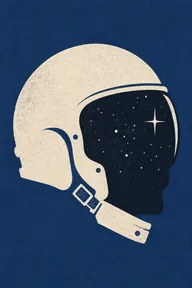
The space race was really a status war among pilots
The Right Stuff is not mainly about rockets. It is about a hidden caste system of courage, ego, skill, and ritual inside American military aviation, where astronauts began as test pilots and test pilots measured themselves by an unspoken standard tougher than fame, money, or even survival.
Tom Wolfe turns the early space program into something stranger than triumphalist history. He shows how men who risked death every day still feared one thing more than crashing: being found to lack the right stuff in front of other pilots.
The Angels
The wives knew the cost before the public did
Wolfe opens not with a launch, but with the social machinery of dread around military flying. In Navy neighborhoods, wives called one another saying only that "something's happened," because everyone knew what that meant: a crash, a death messenger at the door, another husband burned beyond recognition. The pilots used breezy slang like "bought it" or "augured in," but the wives lived with the raw reality.
Jane Conrad's world is the perfect example. In Jacksonville and then at Pax River, she and Pete Conrad moved through one fatal accident after another, funerals piling up so regularly that the bridge coat became almost routine. The official language stayed calm. The wives learned the truth through smoke on the horizon, unanswered phones, and hallucinations of ministers approaching the front door.
That opening matters because it strips away the later glamour. Before America worshipped astronauts, military flying was already a culture in which death was common, rarely discussed directly, and normalized through ritual. Wolfe wants you to feel that the space program was built on an older, mostly invisible world of risk.
Takeaway
The public met heroes. Their families had already been living inside the death system that made those heroes possible.