Sift Get the app
Introduction
Better tools can make learning your job harder
A surgical robot lets an expert operate with less help. The trainee watches, then graduates without enough practice. Matt Beane traces how this same bargain is quietly reshaping who gets to become skilled.
1. The skill code
Expertise grows through useful participation
Your most valuable skill probably developed while helping someone who knew more than you did. You watched, handled manageable pieces of real work, and earned harder assignments. Formal education supplied a starting point; collaboration taught you to produce results under pressure.
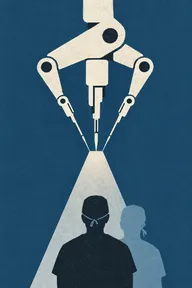
Surgical resident Kristen illustrates the difference. During open surgery, she works beside an attending, gradually performing delicate tasks under guidance. With a surgical robot, the attending can complete the procedure almost independently. Kristen may get only fifteen minutes of easy work during a four-hour operation. The technology improves the expert’s independence while removing the trainee’s reason to participate.
Across years of field research, Beane identifies three ingredients inside productive expert-novice relationships: challenge, complexity, and connection. Challenge means working near your limits. Complexity means understanding the wider context of your task. Connection means building bonds of trust and respect that sustain learning and open opportunities.
These ingredients can survive outside traditional apprenticeships, including in technology-heavy workplaces. Their survival requires attention, though. A workflow can produce excellent results today while leaving tomorrow’s experts unprepared. Evaluate a new tool partly by what learners will actually get to do with it, rather than assuming observation or training materials will replace participation.
Takeaway
When technology makes trainees optional, someone must deliberately preserve their participation in real work.