Sift Get the app

Introduction
Fewer working hours can become a pay cut
A flexible contract can leave you doing the same job for less money, with weaker promotion prospects. Anna Meller shows how working mothers can rethink the job itself before giving up the career they’ve built.
1. The three hurdles
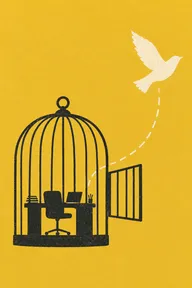
Career choices shrink inside the ideal-worker culture
Working mothers often choose between reduced hours, a career break and full-time work with restricted ambitions. Each can carry a financial penalty. Anna Meller identifies three connected hurdles: unclear ideas about balance, inflexible corporate cultures and an illusion of choice that conceals how constrained these decisions are.
The workplace still rewards the “ideal worker”, someone whose job takes precedence over outside responsibilities. Erin Reid’s study of a global consulting firm found women who formally reduced their hours became marginalised. Some men maintained predictable 50–60-hour schedules while appearing to meet the firm’s 80-hour expectations. Visibility of flexibility affected how commitment was judged.
These pressures reach beyond individual confidence. Research by PwC, the 30% Club and Women Returners found almost six in ten women returning after multi-year career breaks were likely to enter lower-skilled jobs. Self-employment can offer control, but may also mean longer hours and lower earnings. Before treating departure or demotion as inevitable, examine which workplace assumptions are narrowing your options.