Sift Get the app
Introduction
A writer is made from memory, migration, and the words she is denied
This memoir in verse turns a childhood into a map of America: Ohio, South Carolina, and Brooklyn; Jim Crow and the civil rights movement; Jehovah's Witness rules and a girl's growing hunger for stories. Jacqueline Woodson shows how a child can feel split between places and still slowly assemble a self.
What makes the book hit is its scale. It is intimate enough to notice ribbons, hot combs, porch swings, and library books, but wide enough to hold Ruby Bridges, Angela Davis, Martin Luther King Jr., Malcolm X, migration north, segregation, prison, and loss. By the end, writing is not just a talent. It is the way Woodson learns to keep people, places, and possibilities alive.
Part I
She is born into history before she can name it
Woodson begins with a fact that is also a destiny: she is born on February 12, 1963, in Columbus, Ohio, in a country "caught between Black and White." She arrives while civil rights battles are already reshaping the lives of Black children like her. Martin Luther King Jr. is planning, Malcolm X is speaking, James Baldwin is writing, and the memory of Ruby Bridges walking into an all-white school is still fresh.
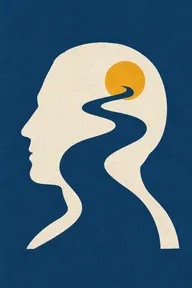
“I am born in Ohio but the stories of South Carolina already run like rivers through my veins.”
That opening matters because the book never treats childhood as private or sealed off from politics. Even her birth certificate naming her "Female Negro" places her inside a racial order she did not choose. Her family stories stretch backward too, through ancestors who were enslaved, emancipated, not yet free, and through the Ohio Woodsons, who carry pride in education, public service, and endurance.
The practical force of these early poems is simple: identity starts before self-awareness. Family memory, race, place, and national struggle shape a child long before she can explain any of it. Woodson's first insight is that a life begins inside other people's unfinished battles.