Sift Get the app
Introduction
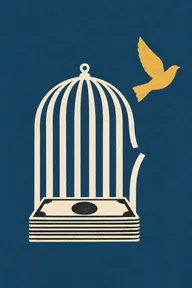
Who pays your bills can limit your freedom
A legal right to dissent means less when the government controls every job and printing press. Milton Friedman follows that tension into policies ranging from school funding to retirement insurance, with conclusions that challenge several political camps.
1. Economic and political freedom
Dissent needs somewhere independent to earn a living
Economic freedom matters directly because choosing an occupation or making a purchase is part of governing your own life. Friedman also gives it a political function: private markets disperse power, creating sources of income and support outside government control. His classical liberalism treats government as an instrument of individuals, with limited and decentralized authority.
Dalton Trumbo supplies a concrete example. Blacklisted in Hollywood for his political associations, he still sold scripts under pseudonyms because producers wanted good work. Commercial incentives weakened a collusive boycott. If government controlled every employer, Friedman reasons, dissidents would face much greater difficulty supporting themselves or financing their views.
The qualification matters: he calls capitalism necessary for political freedom, never sufficient. Capitalist dictatorships plainly exist. His institutional test is whether opponents of those in power retain independent ways to work and publish.