Sift Get the app
Introduction
The desert is not scenery. It is a test of what remains when machinery and noise are stripped away.
Edward Abbey goes to Arches National Monument as a seasonal ranger and finds more than rock, heat, and silence. He finds a place severe enough to expose what modern life deadens: attention, freedom, fear, joy, and the difference between living in the world and being sealed off from it.
Desert Solitaire matters because it is both love song and warning. Abbey records the physical beauty of canyon country with ecstatic precision, then turns and attacks the roads, dams, motors, and institutions that turn wild land into consumer scenery. What begins as a journal of solitude becomes a fierce argument about how to live, what to preserve, and what kind of civilization deserves to last.
Author's Introduction and The First Morning
The desert is a medium for seeing, not just a landscape to describe
Abbey opens by saying this is not mainly a book about the desert, even though he tries to be accurate about the physical world. A book can no more contain the desert than a net can haul up the sea. So his aim is evocation rather than imitation. He wants the desert to function as a medium through which a person thinks and feels more clearly.
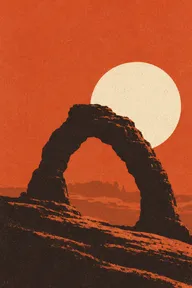
That becomes concrete on his first morning at Arches. He wakes in a government housetrailer after a cold, windy night, steps outside, and sees the La Sal Mountains in snow, the gorge of the Colorado, and the sandstone arches and fins stretching into a sea of desert. The scene produces not calm appreciation but greedy desire. He wants to know it all, possess it all, embrace it completely.
“This is the most beautiful place on earth.”
That desire leads to the book's core paradox. Abbey wants direct contact with things before they are softened by metaphor or system. He wants to look at a juniper tree or a vulture without immediately turning it into symbol, doctrine, or sentiment. The practical implication is simple and demanding: real perception starts when you stop treating the world as background and let it confront you as something independent of you.
Takeaway
Abbey's central move is to use wilderness as a way to strip perception back to bare contact with reality.