Sift Get the app
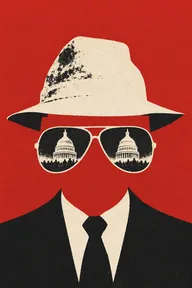
Fear and Loathing on the Campaign Trail '72 summary
Introduction
Presidential campaigns are mostly theater, lies, and panic off camera
Hunter S. Thompson turns the 1972 election into a feverish field report on how American politics actually feels from inside the press buses, hotel bars, charter planes, and back rooms where the story gets warped before voters ever see it.
What makes the book last is not just Nixon, McGovern, Muskie, Humphrey, or Wallace. It is Thompson's larger point that campaigns reward image over honesty, that the press helps stage the performance, and that even people searching for decency can get swallowed by the machine.
Opening move
Washington politics runs on fear, access, and club rules
Thompson begins by relocating to Washington and discovering a city built on anxiety. The fear is literal, in his telling, with muggings, paranoia, locked doors, and a white political class huddled in its enclaves. But the more important fear is professional. Reporters and politicians depend on each other, drink together, trade leaks, and protect one another from anything too damaging to print.
That is why he rejects the polite Washington rule of "off the record." He sees the culture of access journalism as the disease itself. The Eagleton story becomes his central example before it even fully explodes: many reporters knew Eagleton's history of drinking and psychiatric treatment, but nobody wanted to be the one who burned a senator's career.
The practical point is harsh but clear. If you want to understand politics, do not start with official statements. Start with incentives. Ask who needs access, who fears losing it, and what everyone in the room is pretending not to know.
Takeaway
The campaign trail is not mainly a debate over ideas. It is a closed social system that rewards silence, favors insiders, and punishes anyone who breaks the club code.