Sift Get the app
Introduction
Britain looks ordinary until Bill Bryson shows you how weird and lovable it is
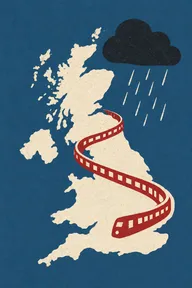
This is a travel book about trains, guesthouses, tea, bad weather, motorway misery, seaside towns, and place names. It is also a portrait of Britain at the moment Bryson is preparing to leave it, which gives every joke a faint edge of homesickness.
What makes the book stick is not the itinerary. It is Bryson's eye for the tiny social rules, absurd public systems, local oddities, and accidental kindnesses that make a country feel like itself. He can turn a bus timetable, a B and B landlady, or a plate of fried breakfast into cultural anthropology.
Prologue
A freezing night in Dover becomes a crash course in being in England
Bryson's first night in England, in 1973, is both miserable and perfect. He arrives in Dover after midnight, fails to find a room, sleeps on a bench by the sea wearing spare clothes and boxer shorts on his head for warmth, then gets gently corrected by an old man walking a dog who tells him he might want to remove the pants before going into a cafe. By breakfast, after eggs, beans, fried bread, bacon, sausage and tea for 22p, England already feels oddly hospitable.
Then comes the other side of English life: rules, landladies, and domestic tyranny. The terrifying Mrs Smegma, proprietor of his guesthouse, lectures him on heaters, baths, loo brushes, acceptable wastebasket materials, and the dangers of staining the counterpane. Bryson's bafflement is the point. England is not just quaint or charming. It is a culture built from countless tiny expectations an outsider does not yet know.
“I was positively radiant with ignorance.”
That combination of warmth and absurdity becomes the book's method. A stranger can be rescued by a cheerful cafe and then crushed by a boarding-house regime. Bryson learns early that Britain is full of kindness, but rarely without ceremony, inconvenience, or a house rule attached.