Sift Get the app
Introduction
Fiction became a survival skill in revolutionary Iran
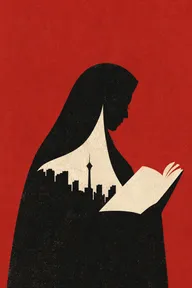
Azar Nafisi's memoir begins with a private class in Tehran: seven women meeting in secret to read Lolita, Pride and Prejudice, Daisy Miller, and The Great Gatsby while the Islamic Republic polices clothes, movement, speech, and desire. In that room, novels are not an escape from reality. They are a way to see reality clearly.
What makes the book matter is its precision about how tyranny works. It does not only jail dissidents and censor films. It enters love, friendship, classrooms, memory, and even the stories people can tell about themselves. Nafisi shows why literature matters most when a regime insists that imagination belongs to the state.
Lolita
A secret class became a refuge from confiscated life
After resigning from her university post in 1995, Nafisi invited seven of her most committed women students to her home every Thursday morning. Mixed classes in private were too risky, so the seminar became an all female sanctuary, with one recurring male guest, Nima, occasionally joining from the margins. The ritual mattered. As the women entered, they removed their robes and scarves and, in Nafisi's words, "burst into color." The transformation was not cosmetic. In that living room, each woman recovered a private self the regime tried to flatten.
The class was built around a simple question: what is the relation between fiction and reality? They read A Thousand and One Nights beside Austen, Flaubert, James, Bellow, and Nabokov. Tehran outside the window was full of morality squads, arbitrary rules, and public fear. Inside, novels created what Manna called "a space of our own," a place where judgment could slow down and individuality could reappear.
Nafisi makes the stakes concrete through portraits of her students: Mahshid, pious yet disillusioned; Nassrin, jailed in her youth; Yassi, shy and hungry for freedom; Sanaz, caught between family pressure and independence; Azin, trapped in an abusive marriage; Mitra, calm on the surface, restless underneath; Manna, poetic and severe. The implication is not that books solve political oppression. It is that they give language, contour, and dignity back to people being reduced to types.
Takeaway
The seminar mattered because it restored individuality in a system built on anonymity, uniformity, and fear.