Sift Get the app
Introduction
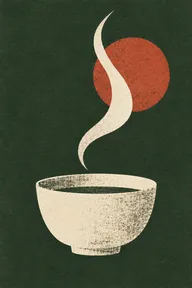
Tea is not a drink here. It is a philosophy of how to live.
Okakura turns a cup of tea into a defense of beauty, restraint, and civilized attention. What looks like a small ritual becomes a way to think about art, architecture, politics, hospitality, and the dignity of ordinary life.
That makes this little book feel strangely current. When life gets louder, faster, and more crowded with display, The Book of Tea offers a rival ideal: fewer things, better chosen; less noise, more suggestion; less conquest, more care.
The Cup of Humanity
Tea becomes a protest against vulgarity
Tea begins as medicine in China, becomes poetry, and in Japan turns into what Okakura calls Teaism: a religion of aestheticism founded on the worship of beauty in everyday life. Its point is not luxury. It teaches purity, harmony, charity, proportion, and comfort in simplicity. For Okakura, the tea-cup matters because human life itself is small, fragile, and always close to tears. Better to consecrate the little things than pretend greatness only lives in war, power, and spectacle.
“Teaism is a worship of the Imperfect”
He sharpens the point by contrasting East and West. Japan is dismissed as quaint when it cultivates peace, then called civilized when it sheds blood on battlefields. Europe mocks the tea ceremony as childish while overlooking its own worship of military glory and imperial power. Okakura uses tea to ask a harder question: why do societies honor destruction more readily than refinement?
His practical claim is that civilization should be judged by the quality of attention it gives to ordinary life. If a culture cannot value arrangement, cleanliness, conversation, and small courtesies, its idea of greatness is probably distorted.